LLM Self-Referential Voice and Autonomous Animation Generation
Practitioners debate LLMs' forced self-referential phrasing while AI generates pixel-art animations via direct browser automation.

Published
September 27, 2026
Reading time
2 minutes
Perspective
Research
Topics
LLM voice customization · Claude Code automation · Playwright video capture
On September 27, 2026, discussions on Hacker News centered on the intrusive use of 'As a Language Model' in LLM responses, with users criticizing it as vendor-imposed bloat that undermines user autonomy. Concurrently, Simon Willison documented a workflow using Claude Opus 5.5 and Claude Code to generate and video-record an animated pixel-art scene of kākāpō parrots partying, triggered by a single prompt and executed via Playwright automation. These developments reflect divergent trajectories in AI interaction: one focused on user control over output tone, the other on AI-driven tool orchestration without human intervention.
Users reject LLM self-referential phrasing as corporate bloat
Hacker News commenters explicitly condemned the mandatory phrase 'As a Language Model' as unnecessary, vendor-specific bloat that degrades user experience. One user stated they do not need reminders that LLMs are not medical professionals, emphasizing their desire for direct, unadorned responses. Another user framed alignment policies as corporate imposition of surveillance and disempowerment, contrasting it with their belief in individual freedom to use models without restriction. The criticism is not about model accuracy but about the enforced tone and loss of agency in interaction design.
Source: "As a Language Model": Chat Template Switches LLM Self-Referential Voice · Hacker News
Claude Code automates browser-based animation recording for presentations
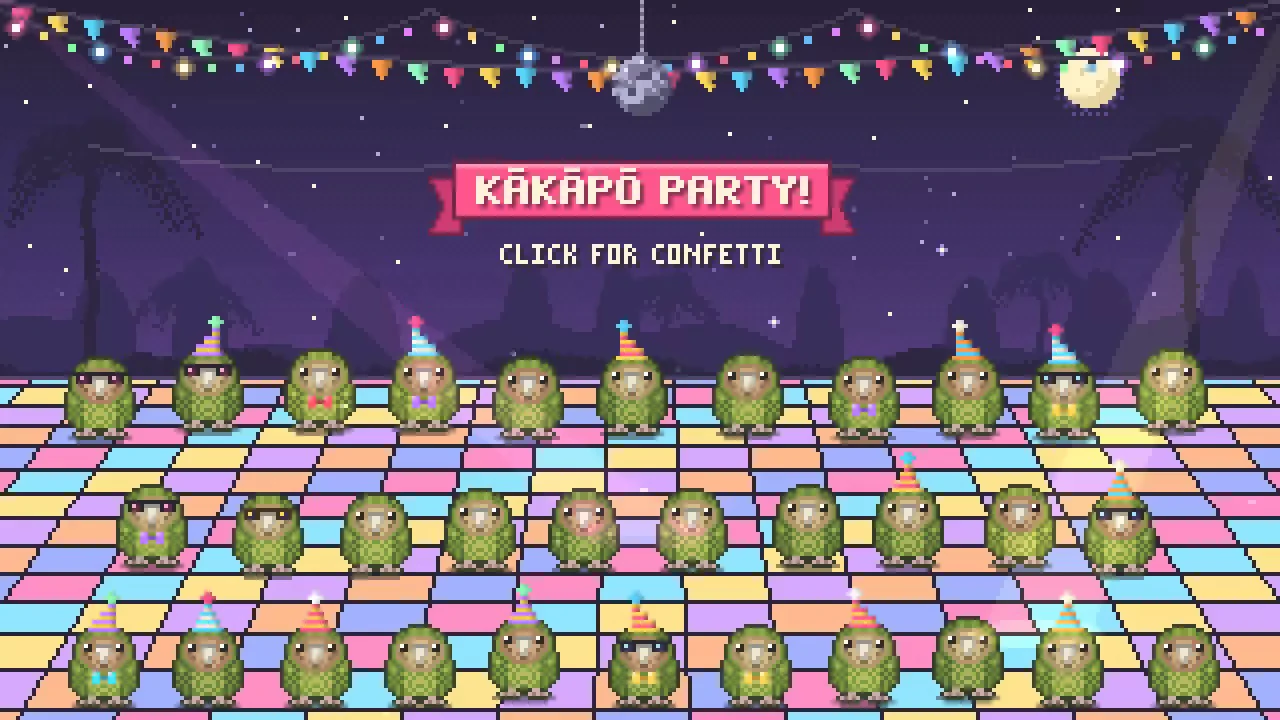
Simon Willison used Claude Code to generate a Playwright script that launched a locally hosted HTML5 pixel-art animation of kākāpō parrots, waited three seconds, then simulated nine mouse clicks at timed intervals across the viewport to trigger confetti effects. The script captured a 15-second video with precise viewport dimensions and timing, producing the exact output needed for a keynote slide. The entire process required no manual intervention beyond the initial prompt, demonstrating AI’s ability to coordinate browser automation, timing logic, and video capture as a unified workflow.
Source: Kākāpō Party · Simon Willison
AI-assisted wildlife photography enabled by long-range lens
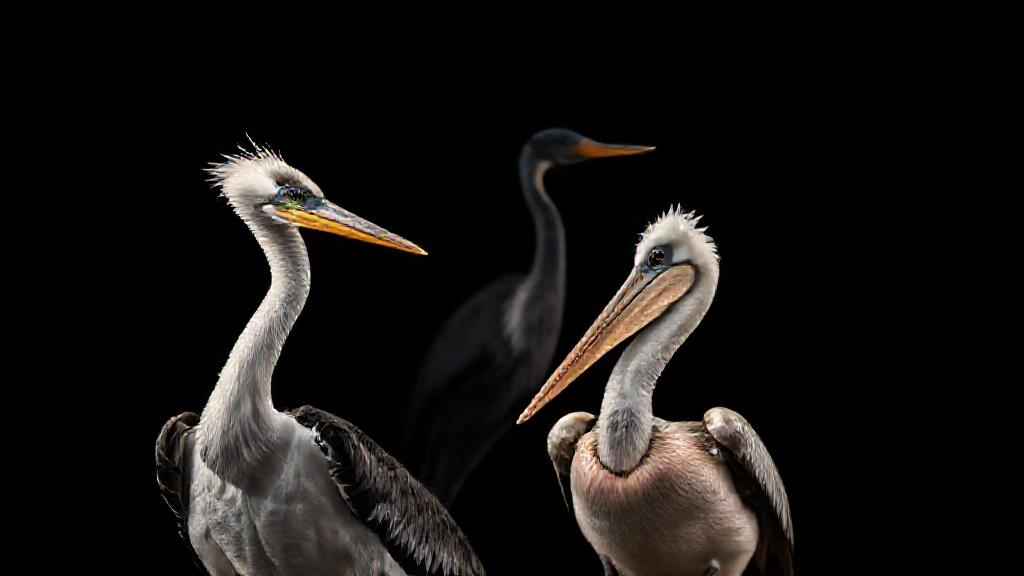
Simon Willison documented a bird-sighting event in Monterey Bay using a 200-800mm Canon EF lens, capturing images of a Northern Gannet, Great Blue Heron, and California Brown Pelican. The lens enabled detailed photography of birds under a harbor sign, described as his 'best photo of Morris yet.' This entry contains no mention of AI involvement in image capture or processing, indicating the use of conventional optical equipment for observational documentation, contrasting with the AI-generated content in his other posts.
Source: Northern Gannet, Great Blue Heron, California Brown Pelican · Simon Willison
What to watch next
These three developments illustrate distinct modes of human-AI interaction: resistance to imposed linguistic constraints, autonomous execution of creative workflows, and unmediated observational practice. Each reflects a different boundary of current AI utility—linguistic control, tool orchestration, and sensory augmentation—without overlap in methodology or intent.
Continue reading