MIT appoints David Siegel as Innovation Fellow
David Siegel, MIT alumnus and co-founder of Two Sigma, will collaborate with the MIT Schwarzman College of Computing to explore AI's role in accelerating.
Published
September 24, 2026
Reading time
4 minutes
Perspective
Research
Topics
MIT Innovation Fellow · visual AI in urban planning · Gemini Live Avatar
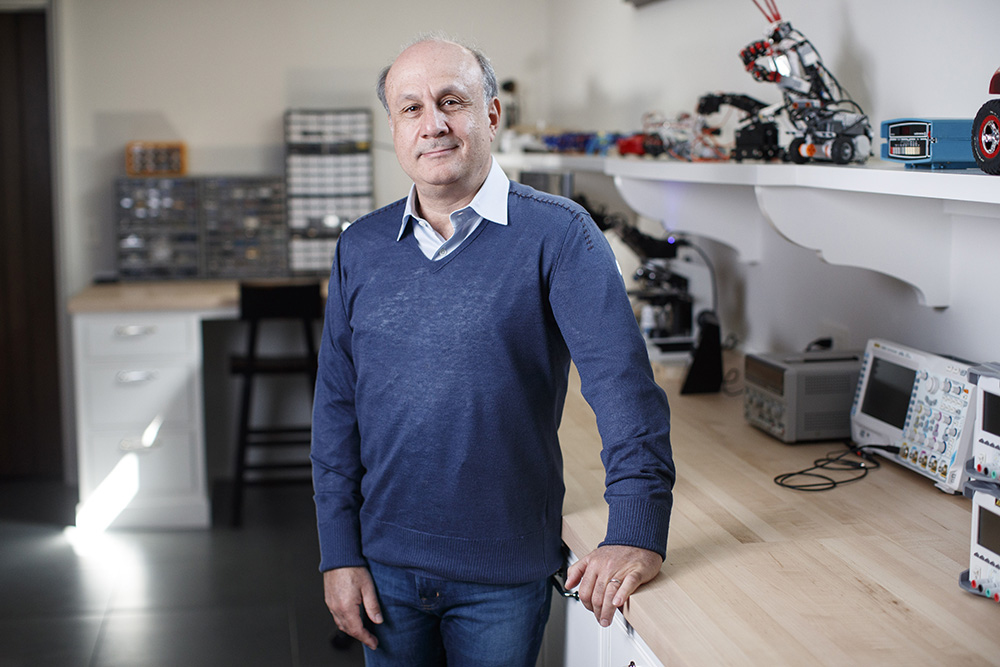
David Siegel SM '86, PhD '91, a computer scientist, entrepreneur, and philanthropist, has been named the next MIT Innovation Fellow for the 2026–27 academic year. His role will involve working directly with the MIT Schwarzman College of Computing to identify new opportunities at the intersection of artificial intelligence and scientific research. Siegel’s longstanding ties to MIT include graduate work in the AI Lab, leadership in the MIT Quest for Intelligence, and co-chairing the External Advisory Committee for the Schwarzman College. He also founded Open Athena, a nonprofit that provides academic labs with elite AI talent and computational resources, and is developing Marin, a 535-billion-parameter public foundation model. His upcoming book, 'When Machines Act,' co-authored with Yale’s Jeffrey Sonnenfeld, will be published by MIT Press in March 2027.
Siegel’s institutional role at MIT
David Siegel will serve as MIT Innovation Fellow to collaborate with the Schwarzman College of Computing on advancing AI for scientific discovery, as confirmed by MIT President Sally Kornbluth and Provost Anantha Chandrakasan. His prior roles include co-chairing the External Advisory Committee for the college and being a life member of the MIT Corporation. His fellowship builds on his history of supporting MIT initiatives, including the renamed MIT Siegel Family Quest for Intelligence, and his ongoing advisory work with academic and philanthropic entities.
Source: MIT welcomes David Siegel SM ’86, PhD ’91 as its next Innovation Fellow · MIT News · AI
Visual AI in urban research
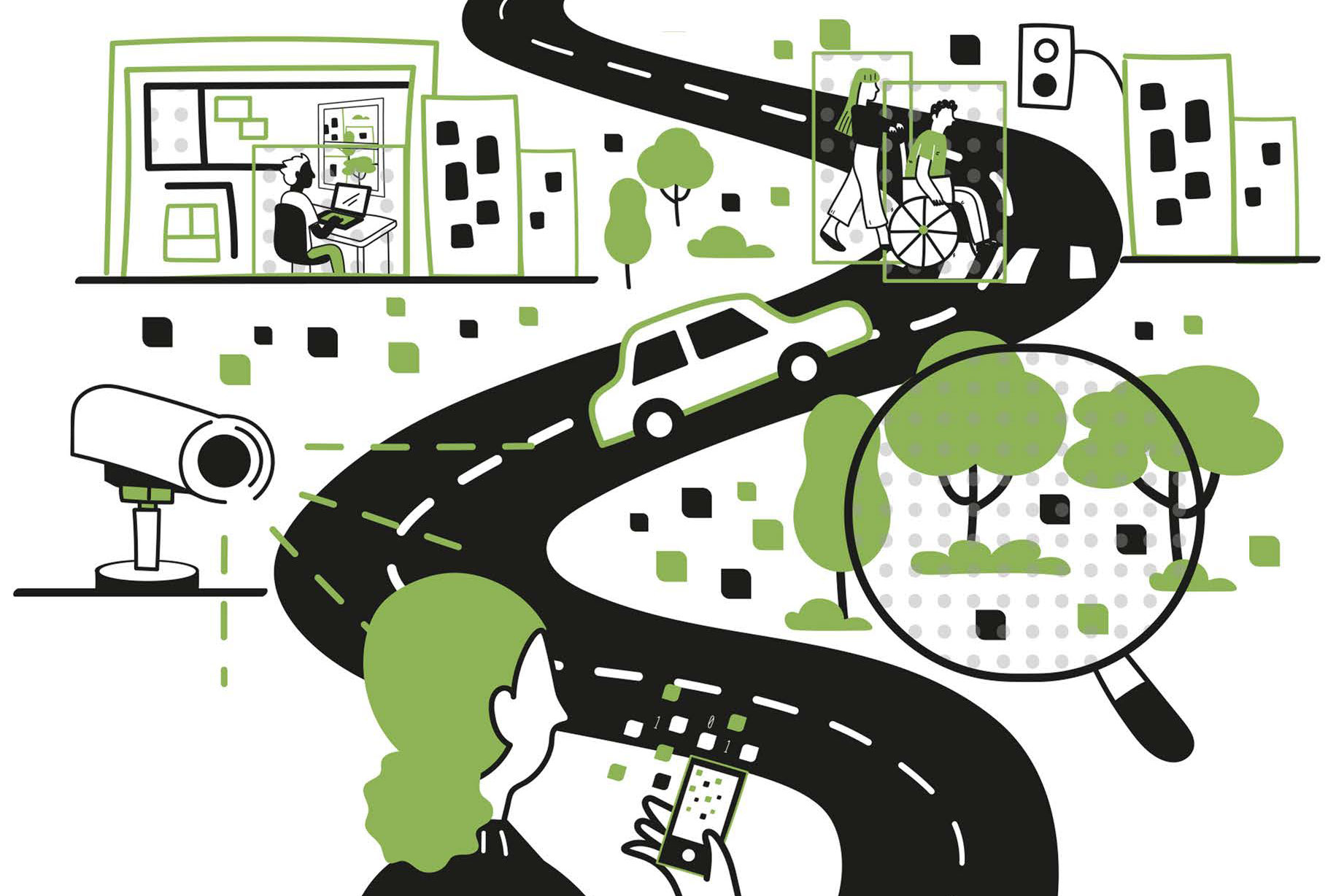
Researchers from MIT’s Senseable City Lab published 'How AI Sees the City,' examining how computer vision techniques analyze urban environments through traffic cameras, Airbnb imagery, and public space monitoring. The book highlights applications such as estimating vehicle emissions and measuring greenery exposure, while cautioning against privacy intrusions and algorithmic bias. The authors emphasize that AI extends, rather than replaces, traditional visual urban studies pioneered by Kevin Lynch and William H. Whyte.
Source: The promise and peril of using visual AI to study cities · MIT News · AI
Gemini 3.8 Live with Live Avatar release
Google DeepMind introduced Gemini 3.8 Live with Live Avatar, a feature that combines real-time speech and video generation to create dynamic, expressive virtual personas for enterprise use. The system supports lip-syncing, natural expressions, and multilingual adaptation across 97 languages. It enables asynchronous tool execution during dialogue, such as checking in hotel guests, while maintaining conversational flow. Custom avatars can be generated from reference images, though access is restricted to enterprise allowlisting. All outputs are watermarked with SynthID for content authenticity.
Source: Introducing Gemini 3.8 Live with Live Avatar · DeepMind Blog
Gemini 3.8 TTS API with custom voice cloning

Google released two new text-to-speech models—gemini-3.8-flash-tts and gemini-3.8-flash-lite-tts—accessible via a public playground tool. These models support over 2,000 voices and allow custom voice creation using just a 30-second audio sample. The API enables multi-speaker conversations with distinct voice styles, as demonstrated in a sample clip of two pelicans debating. Generation of 1 minute 18 seconds of audio cost 2.74 cents using the flash-tts model, with no requirement for proprietary infrastructure.
Source: Gemini 3.8 TTS Playground · Simon Willison
Agentic engineering event in San Francisco

Simon Willison announced a Birds of a Feather session on October 14, 2026, in San Francisco, focused on early-stage experimentation with coding agents. The event invites builders to share unconventional, unpublished projects without formal presentations or product pitches. It emphasizes informal dialogue around 'weird and interesting' agentic AI work, distinguishing itself from commercial showcases by prioritizing exploratory development over market-ready outcomes.
Source: SF October 14th: A Birds of a Feather Session on Agentic Engineering · Simon Willison
What to watch next
These developments reflect parallel advances in AI’s application to scientific inquiry, urban analysis, enterprise communication, and developer tooling. Each initiative operates within defined boundaries: Siegel’s work is institutionally anchored at MIT, visual AI is constrained by ethical scrutiny in urban studies, Live Avatar is limited to enterprise deployment, TTS customization requires voice rights, and agentic engineering remains in experimental phases.
Continue reading